
The Architecture of a Chapter: Building Scenes That Pull Readers Forward
A practical guide to entrances, exits and the quiet engineering beneath a page-turner.
 By Julian Hartley 8 min read
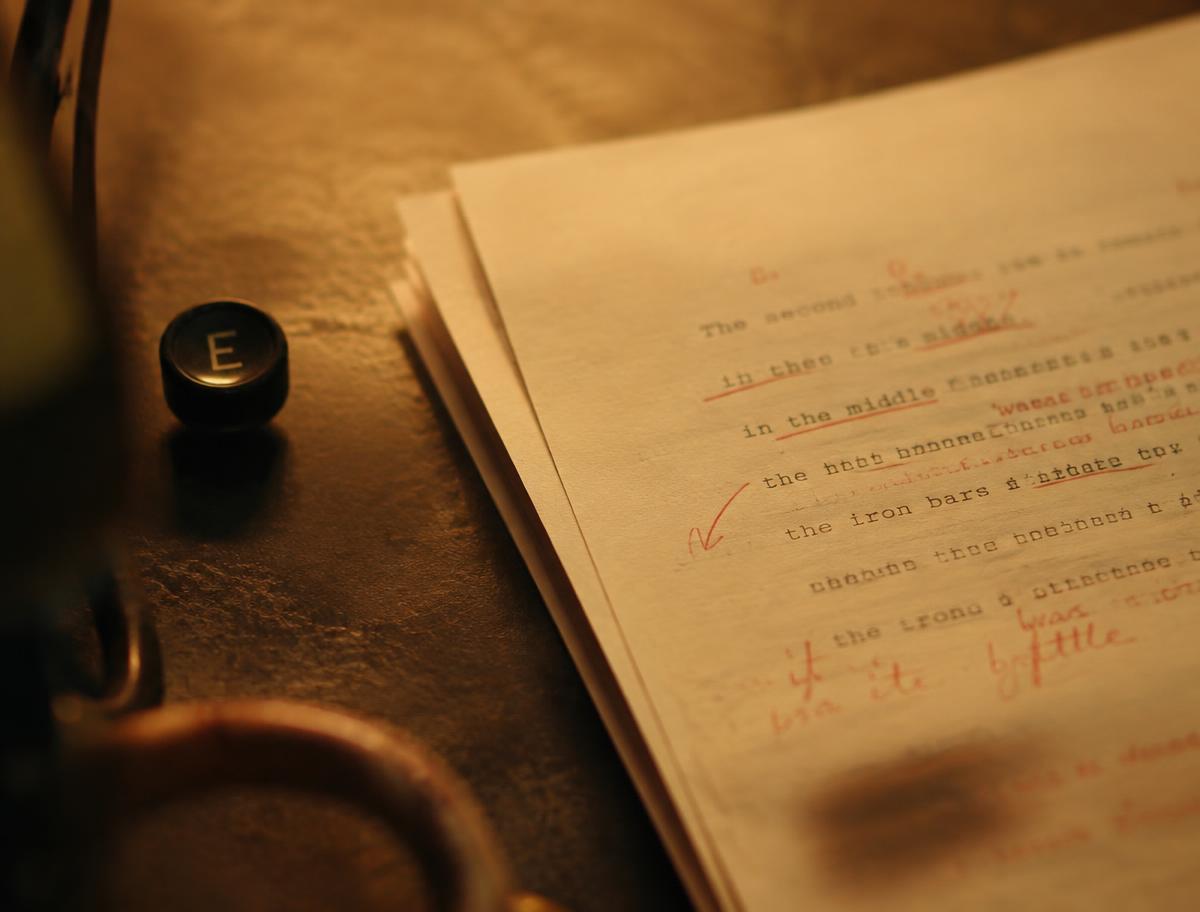
There is a particular kind of silence that settles over a writer's desk in the early hours, and it was in that silence that this story about the structure of a chapter began. What follows is not a manual, nor a manifesto, but a conversation, one we have been having with authors, editors and readers for the better part of a year.
The publishing world is louder than ever. Algorithms reward volume; social feeds reward spectacle. And yet the books that endure still arrive the old way: through patience, revision, and a stubborn belief that a sentence can be made to carry more weight than it first appears able to bear.
Beginning with the reader in mind
Every author we spoke with returned, eventually, to the same image: a single reader, alone with the page. Not a market, not a demographic, a person. When the work is shaped for that person, the rest of the machinery of publishing tends to follow.
“Enter late, leave early, and never let a scene end on the same emotional note it began with.”
That conviction is not naïve. It is, in practice, a discipline. It means cutting the chapter you love because it serves you rather than the story. It means trusting white space. It means letting an ending breathe instead of tying it in a bow.

What changes, and what never does
Formats will shift. Audiobooks, serialized fiction and newsletters have each opened new doors for writers who once waited years for a single gatekeeper's yes. But the fundamentals, voice, structure, emotional truth, remain stubbornly unchanged.
For authors navigating that landscape, the advice is both simple and difficult: write the book only you can write, then find the readers who have been waiting for it. The second half of that sentence is where editorial partners, reviewers and a thoughtful promotional plan earn their place.
More from The Literary Crest
 Poetry
On Revising Poetry: When to Hold the Line and When to Let It Go
Poems are never finished, only abandoned, but there's an art to abandoning them well. Notes from a season of revision.
Julian Hartley 6 min read Publishing Insights
The New Architecture of a Book Launch: Why Resonance Now Beats Reach
Publication day used to be everything. Today the most successful books are introduced slowly, deliberately, and through voices readers already trust.
 Clara Benítez 12 min read
 Literary Fiction
Elena Marsh on Light, Grief, and Writing Toward the Sea
“I didn't know it was a book about my mother until the seventh draft.” A candid conversation about memory and the long road to a debut.
Clara Benítez 9 min read